
Skip to content

Contemporary Jazz and Smooth Jazz 

Tim waller

With 
Tim Waller

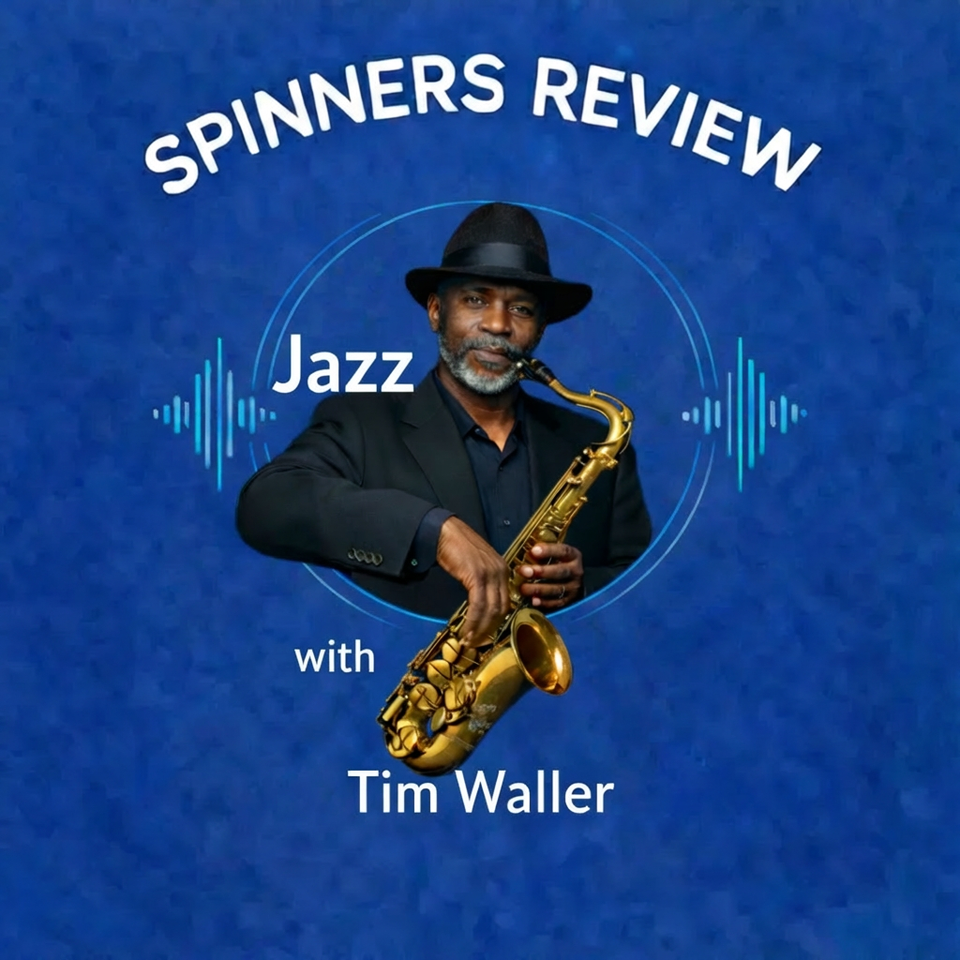
For Tim Waller, Jazz is more than a genre; it is a conversation that never ends. As our lead Contemporary Jazz and Smooth Jazz Correspondent, Tim bridges the gap between the legendary foundations of the past and the polished, high-fidelity grooves of the modern era. From the complex improvisations of contemporary fusion to the effortless, melodic flow of smooth jazz, Tim’s mission is to highlight the artistry behind the atmosphere. "I’m looking for the music that creates a mood," Tim says. "It’s about that perfect balance of technical mastery and emotional resonance that keeps the listeners coming back." Whether he is spotlighting rising saxophonists or reviewing the latest festival performances, Tim ensures the Spin Squad stays connected to the most refined sounds in the game.


  • Weapon of Choice: Tenor Saxophone & a 1950s Selmer 🎷
 
  • Current Obsession: The resurgence of Contemporary Fusion 🎹
 
  • Favorite Venue: An intimate lounge with a "hush" policy 🕯️
 
  • The Mantra: "The best music isn't just heard; it's felt in the soul."

Spinners review 2

The Evolution and Elevation of Smooth Jazz: Icons and Rising Voices
With Tim Waller

A Sonic Landscape Thriving in 2026

Smooth jazz is a sonic landscape defined by warm tones, expressive melodies, and an irresistible groove. Over the decades, it has evolved from a niche fusion into a globally celebrated genre that honors jazz tradition while embracing contemporary rhythms and multicultural influences. In 2026, the genre is thriving and reinventing itself with a fresh generation of artists who are reshaping what "cool" sounds like.


Foundation Builders: The Legends Still Leading the Way

Long before streaming charts favored silky sax lines, iconic masters carved smooth jazz into the cultural mainstream. Today, these legends continue to influence the genre's direction:
 
  • Kenny G: Synonymous with smooth jazz, his soprano saxophone lines remain timeless, blending emotive phrasing with accessible melodies.
  • Boney James: A titan of the genre, James brings swagger and soul, frequently collaborating with R&B vocalists to explore cross-genre traditions.
  • Norman Brown: A guitar wizard who fuses smooth jazz with soulful, R&B-infused grooves through lyrical phrasing and impeccable tone.
  • Najee: One of the most expressive voices in the genre, his mastery of both the saxophone and flute bridges jazz sophistication with pop accessibility.
  • George Benson: While his roots cross multiple subgenres, his velvety guitar runs and soulful vocals remain a staple in sophisticated lounges worldwide.
  • David Sanborn: An electrifying presence who bridges jazz fusion and smooth jazz with a fiery alto sax voice.


Rising Voices: The New Wave of Smooth Jazz

The genre is currently blooming with young musicians who are redefining "cool" by blending genre lines and injecting fresh energy:
 
  • Marcus Anderson: A brilliant saxophonist whose sound bridges traditional smooth jazz with contemporary urban vibes, neo-soul, and hip-hop.
  • Selina Albright: A trumpeter and vocalist whose compositions offer bold melodic choices that resonate with both purists and crossover listeners.
  • Paul Taylor: A vital voice whose collaborative spirit and fresh timelines continue to attract younger fans.
  • Dan Wilson: A dynamic saxophonist with a sleek, bright sound suited for contemporary playlists.
  • Najee Jr.: Son of veteran Najee, he blends his father’s melodic sensibilities with modern production to push the genre into new territory.
  • Kenny Garrett: Though rooted in hard bop, his smoother grooves and curated collaborations introduce jazz elements to entirely new audiences.


The Global Movement

Smooth jazz is no longer just an American phenomenon; it is a global cross-pollination that broadens the genre's reach:
 
  • European ensembles are incorporating acoustic jazz with lounge and chill-out textures.
  • Latin American artists infuse traditional harmonies with samba, bossa nova, and Afro-Cuban rhythms.
  • African jazz musicians are adding polyrhythmic layers and motifs inspired by indigenous musical traditions.


Why Smooth Jazz Still Matters

In a world of rapid-fire tracks, smooth jazz stands as a genre committed to mood, mastery, and musical depth. Its enduring appeal is found in artistry over gimmicks, emotional expression over formulaic hooks, and musical conversations over sonic noise. Whether for solace, serenity, or connection, smooth jazz doesn't just sound good—it feels good.
Looking ahead, the future is bright as the genre is reshaped by young artists with hybrid identities, cross-genre collaborations, and streaming platforms that introduce these dynamic sounds to new generations.

Spinners review 2

Contemporary Jazz Now: Where the Sound Is Headed Next
With Tim Waller

Jazz as a Behavior, Not a Category

In 2026, contemporary jazz has shifted from being a single, defined sound to a dynamic behavior. Modern artists navigate the spaces between tradition and invention, acoustic and electronic textures, and straight-ahead swing versus beat-driven hybrids. The genre is no longer about guarding a historical canon; it is about actively expanding a creative vocabulary.


The Current Landscape of Contemporary Jazz

  • Memorable Themes and Rhythmic Authority: Modern jazz is increasingly built around strong motifs and rhythmic command, creating music that works equally well on a concert stage or in headphones. Labels like Blue Note are leading this momentum, signing forward-facing artists such as trumpeter Brandon Woody, who released his debut in 2025.
  • A "Post-Genre" Reality: The debate over what constitutes "real" jazz has largely ended. Contemporary projects freely incorporate elements of hip-hop, R&B, electronic music, and sound design while remaining firmly rooted in improvisation.
  • The Big Umbrella Approach: Major presenters and institutions, such as the DC Jazz Festival, now program jazz as a broad ecosystem. This wide-angle view places legacy masters alongside global innovators and emerging voices within the same showcase.
  • Streaming-Driven Discovery: Playlist culture is shaping how listeners encounter jazz. Success often comes to tracks that establish a mood quickly and offer recognizable motifs without sacrificing musical depth.


5 Big Bets for the Future of the Genre

Producer-Minded Artistry: The coming decade will favor artists who can improvise while thinking like producers—using the studio itself as an instrument to shape textures and transitions.

Premium Live Experiences: As digital recordings become infinitely available, live performances will become the ultimate differentiator. Audiences are increasingly experiencing jazz as a community-driven event, similar to indie rock or electronic music scenes. Global Network Influence: The future "standard" sound of jazz will not emerge from a single city but from international networks spanning the UK, Africa, Latin America, and Asia.

Identity-First Education: Jazz education is shifting away from pure replication of old models toward developing an "original voice" earlier in a student's training, emphasizing composition and entrepreneurship. Sharper Storytelling: As the genre's "tent" grows larger, the artists who cut through will be those with the clearest storytelling, including a defined visual identity and a cohesive live concept.


The Bottom Line

The future of contemporary jazz remains strong because it is reclaiming its role as modern Black creative music that speaks to the present moment. It is headed toward hybrid sounds and global influences with improvisation remaining at the absolute center. The future will not be defined by a single "next Miles Davis," but by many voices and scenes sharing the principle of freedom with discipline.